
Gambling is an age-old pastime that has fascinated humans for centuries. At its core, it revolves around risking something of value on an outcome that is largely influenced by chance. The allure of gambling lies in the prospect of winning big, which can often lead to greater indulgence in games of chance like no verification casinos that offer exciting experiences and unique opportunities. Different forms of gambling include poker, roulette, sports betting, and slot machines, each with unique dynamics influenced by both luck and skill. Understanding these dynamics can help individuals make more informed decisions regarding their gambling practices.
In games of pure chance, such as slot machines or lotteries, luck plays a pivotal role. The outcomes are determined completely by random number generators or other methods that do not allow for player influence. Factors such as timing or previous wins do not affect the likelihood of future results in these scenarios. However, in games where players can make choices, such as poker or blackjack, skill becomes a significant factor alongside luck, creating a more strategic environment for those involved.
While luck can swing the pendulum in favor of the player or the house, skill can tip the balance in favor of the individual in some gaming scenarios, especially over time. Players who take the time to learn the intricacies of a game can often improve their odds significantly. This understanding of the mechanics involved in gambling fosters a deeper appreciation for the complexities of risk and reward, ultimately shaping the player’s experience.
Luck is an uncontrollable element that defines the nature of many gambling experiences. A fortunate roll of dice or a lucky card drawn can drastically alter the course of a game, leading to unexpected wins or losses. This element of unpredictability is what makes gambling exciting, yet it also introduces a high degree of risk. Players can spend hours at a table or machine without any guarantee of favorable outcomes, which can lead to a rollercoaster of emotions ranging from elation to despair.
In games with a strong reliance on luck, such as bingo or keno, players often accept that their success is largely left to fate. This acceptance of luck can foster a sense of community among players, as they share in the thrill of the game without the pressure of expertise. However, this reliance also highlights the importance of responsible gambling, as the unpredictable nature of luck can sometimes lead to risky behaviors when players chase losses or become overly optimistic about future wins.
Ultimately, while luck is essential in determining short-term outcomes in gambling, it’s crucial to recognize its limitations. Understanding that luck can fluctuate can help players manage their expectations and approach gambling as a form of entertainment rather than a reliable source of income. Balancing the role of luck with sound financial management can create a more enjoyable and sustainable gambling experience.
Skill in gambling refers to the player’s ability to make informed decisions that can influence the outcome of a game. In games such as poker or blackjack, players can employ strategies that take advantage of probabilities, psychological tactics, and their opponents’ behavior. By honing their skills through practice and education, players can significantly increase their chances of winning over time. Skilled players often study game theory, betting strategies, and opponent tendencies to capitalize on every opportunity presented to them.
Many successful gamblers dedicate substantial time to mastering their chosen games and developing their unique strategies. For instance, a proficient poker player may read their opponents, calculate pot odds, and make decisions based on previous rounds, which propels them ahead of casual players relying solely on chance. Additionally, tournaments and competitive play allow skilled players to showcase their abilities against others, amplifying the significance of skill in the realm of gambling.
However, the line between skill and luck can often blur, as even the most skilled players can encounter bad luck. The key for successful gamblers is to remain resilient in the face of adversity and to focus on long-term strategies rather than short-term results. By maintaining discipline and commitment to skill development, players can navigate the unpredictable nature of gambling more effectively, ultimately leading to more significant wins over their gambling careers.
Balancing luck and skill in gambling is essential for players seeking long-term success. One way to achieve this balance is by choosing games that allow for strategic play rather than pure chance. Games like poker, blackjack, and sports betting offer more opportunities for players to utilize their skills, influencing outcomes based on their decisions rather than random occurrences. This approach promotes a more engaged gaming experience, as players can employ strategies tailored to their strengths and knowledge.
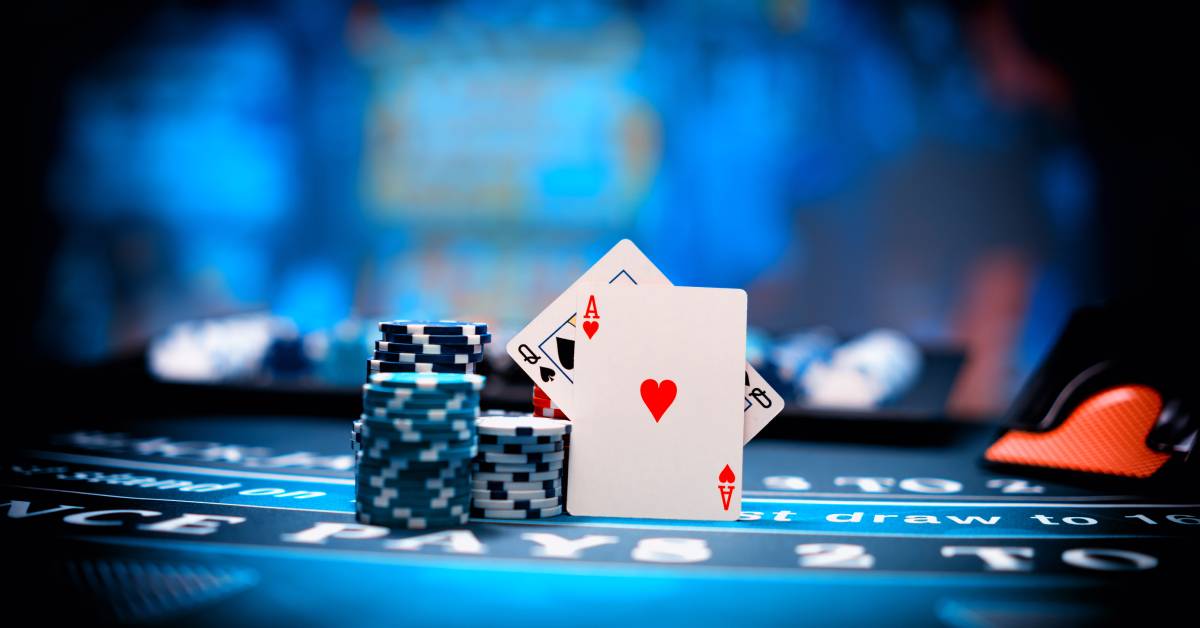
Additionally, understanding bankroll management is crucial for striking the right balance between luck and skill. Players should set limits on how much they are willing to spend and adhere to them, regardless of the outcomes they face. This can prevent impulsive decisions driven by emotion, whether out of frustration from losses or excitement from wins. Consistent discipline in managing finances allows players to enjoy gambling without it detracting from their overall well-being.
Moreover, taking the time to reflect on past experiences can help players identify trends and develop strategies that work for them. Keeping records of wins and losses, analyzing playing styles, and adjusting tactics can put players in a better position for future success. Ultimately, understanding the interplay between luck and skill not only enriches the gambling experience but also fosters a more strategic and thoughtful approach to gaming.
The world of gambling is an intricate tapestry woven from both luck and skill, where the outcomes are determined by a complex blend of chance and adept decision-making. Recognizing this relationship helps players develop a more nuanced understanding of their gaming experiences. It is essential for gamblers to embrace both elements, appreciating the thrill of luck while also cultivating their skills to maximize their chances of success.
As players navigate through this multifaceted landscape, they should remain grounded in reality, acknowledging that no strategy guarantees a win. Responsible gambling practices, emotional management, and continuous skill development are keys to ensuring a fulfilling experience, regardless of the outcomes. The balance between luck and skill ultimately shapes each player’s journey through the gambling world.
For those exploring the exhilarating realm of gambling, understanding the influence of both luck and skill provides valuable insights that can enhance their approach. Whether you’re a novice or a seasoned player, fostering a healthy perspective and strategic mindset can lead to more enjoyable and rewarding gambling experiences. Embrace the complexities, and let the games begin!